-copy.png)

Minimally Invasive Dentistry Trends That Matter

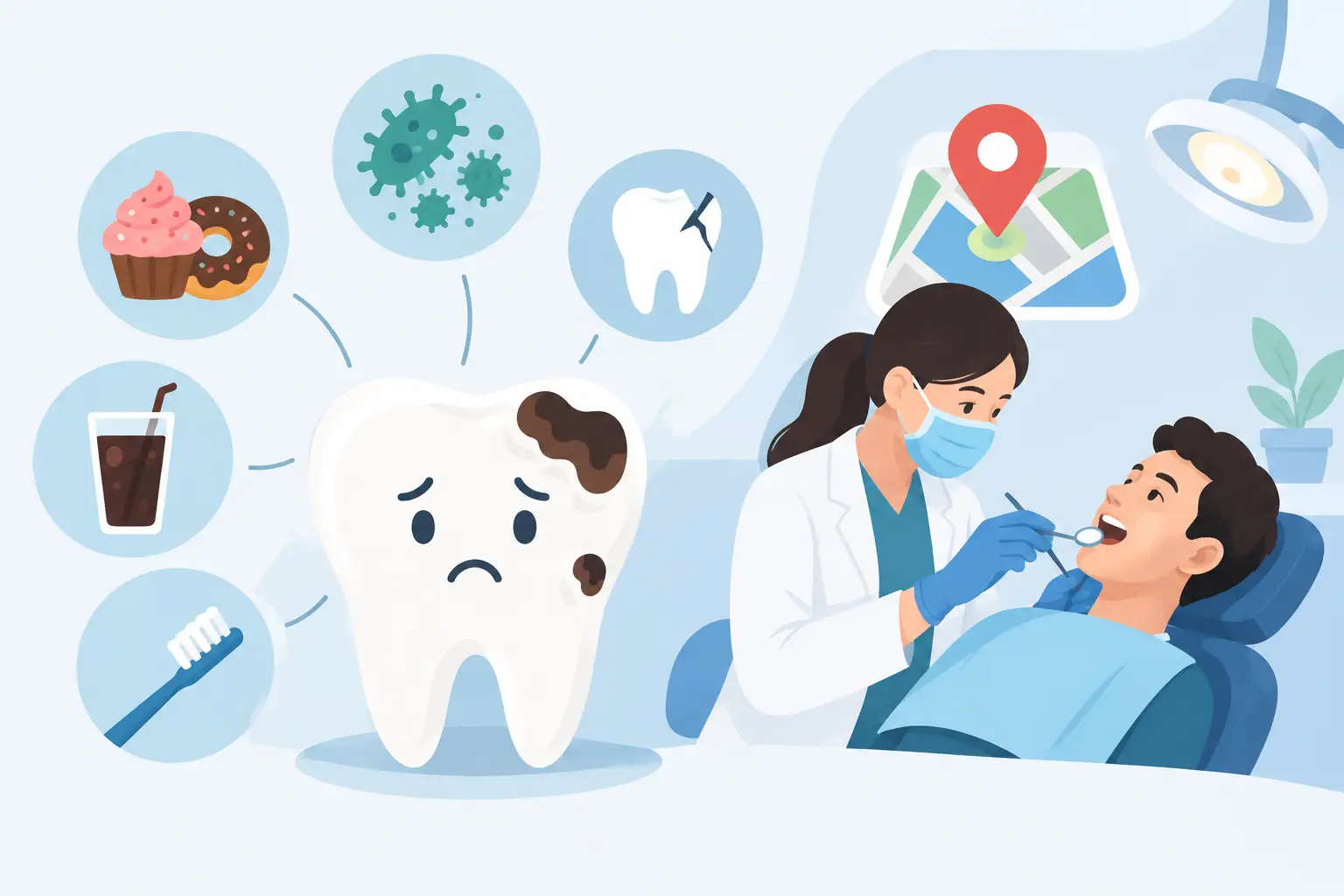
A tiny dark spot on an X-ray does not always mean a large filling. A chipped edge does not always call for a crown. For patients who want answers without overtreatment, minimally invasive dentistry trends are changing an essential question in dental care: How can we solve the problem while preserving as much healthy tooth structure as possible?
That question matters at every age. Natural enamel does not grow back, and every restoration has a life cycle. The more healthy structure a dentist can retain early on, the more options a patient may have over the years. Conservative care is not about doing less when treatment is needed. It is about making a precise diagnosis, treating the cause, and choosing the smallest effective intervention for lasting comfort and health.
What Minimally Invasive Dentistry Really Means
Minimally invasive dentistry is a philosophy of prevention, early detection, and careful treatment. Rather than waiting until discomfort or visible damage demands a larger procedure, the goal is to identify changes in teeth and gums when they may be easier to manage.
For one patient, that may mean strengthening an early area of enamel demineralization through preventive care and home habits instead of immediately placing a filling. For another, it may mean using tooth-colored bonding to repair a small fracture rather than preparing a tooth for a full crown. When decay, infection, or structural damage is advanced, more comprehensive care may still be the healthiest choice. Conservative dentistry never means ignoring a serious problem.
This approach also recognizes that oral health is connected to the rest of the body. Dry mouth from medication, reflux, diabetes, clenching, sleep disruption, dietary patterns, and gum inflammation can all affect the mouth. Treating the visible cavity without considering why it developed can leave patients caught in a frustrating cycle of repeat repairs.
The Minimally Invasive Dentistry Trends Patients Are Seeing
Several developments are helping dentists be more precise and more protective of natural smiles. They are not interchangeable, and the right option depends on your diagnosis, medical history, goals, and the condition of your teeth and gums.
Earlier, More Detailed Diagnosis
Conservative treatment starts before a handpiece is ever used. Digital imaging, intraoral photographs, magnification, periodontal measurements, and careful clinical exams can reveal changes that are not obvious in the mirror. This gives patients a clearer view of what their dentist is monitoring and why a recommendation is being made.
Early detection is especially valuable for cavities between teeth, small cracks, gum inflammation, and wear caused by clenching. A tooth can look fine on the surface while changes are beginning underneath. Catching those signs early may allow for preventive strategies, smaller restorations, or monitoring at appropriate intervals.
There is a balance here. Not every early change needs treatment that day. A dentist may recommend watching a stable area, improving fluoride exposure, addressing dry mouth, or adjusting home care. The key is having a plan, not simply hoping the issue disappears.
Laser Dentistry for Targeted Care
Dental lasers are becoming a more familiar part of conservative treatment because they can be highly precise. Depending on the laser, the procedure, and the tissue being treated, laser technology may help remove or reshape tissue with less disruption to surrounding areas. It can also cauterize as it works, which may reduce bleeding in certain soft-tissue procedures.
At Kingston Family Cosmetic Dentistry, advanced Fotona LightWalker laser technology supports a range of treatments designed around precision and patient comfort. For some patients, laser care can mean a shorter recovery period or less need for traditional instruments. For others, conventional treatment remains the most predictable option. The technology is valuable because it expands clinical choices, not because it replaces thoughtful diagnosis.
Lasers may be used in periodontal care, treatment of select soft-tissue concerns, and other procedures where their wavelength and settings are appropriate. They are not a cure-all for every cavity or every gum condition, so patients should feel comfortable asking what a laser will specifically do in their treatment plan.
Stronger Bonding and Smaller Restorations
Modern tooth-colored composite materials and bonding techniques allow dentists to repair many small areas while preserving more tooth structure than older restorative approaches required. A small cavity, worn edge, or minor chip can often be restored by removing only the damaged portion and bonding material directly to the tooth.
This is particularly helpful when a patient has a visible chip, an old filling that is beginning to fail, or early damage from grinding. Still, bonding has limits. A tooth with extensive decay, a deep crack, or a large old restoration may need an onlay or crown for protection. Choosing the smallest restoration is wise only when it is also strong enough for the job.
Prevention Focused on the Cause
One of the most meaningful trends is a shift from repairing disease to understanding its drivers. Cavities are not simply a result of eating sugar, and gum disease is not simply a result of missing a brushing session. Bacterial balance, saliva flow, inflammation, nutrition, home care, bite forces, and certain health conditions all influence risk.
For example, a patient with frequent cavities may need more than another filling. They may benefit from an evaluation of dry mouth, snacking patterns, reflux, oral hygiene technique, or the fit of existing restorations. A patient with bleeding gums may need periodontal treatment and a review of factors such as diabetes management or tobacco use.
Ozone therapy is also of interest within some functional and conservative dental practices. It may be used as an adjunct in selected treatment protocols, particularly where bacterial reduction and tissue support are goals. It should not be presented as a substitute for removing decay, treating an infection, or receiving necessary periodontal care. A trustworthy plan explains where adjunctive therapies fit and where established treatment remains necessary.
Clear Aligners and Bite Protection
Orthodontic treatment can be minimally invasive when it helps prevent future wear, crowding-related hygiene challenges, or bite stress. Clear aligners may gradually move teeth without brackets and wires, making them an appealing option for many teens and adults. They are not ideal for every orthodontic concern, but they can be an effective way to improve alignment while preserving natural tooth structure.
Similarly, addressing clenching, TMJ symptoms, or an uneven bite can protect teeth from repeated fractures and worn enamel. A night guard, bite evaluation, or sleep-focused assessment may prevent a series of repairs that treats the damage but not the force causing it.
What Conservative Care Feels Like for Patients
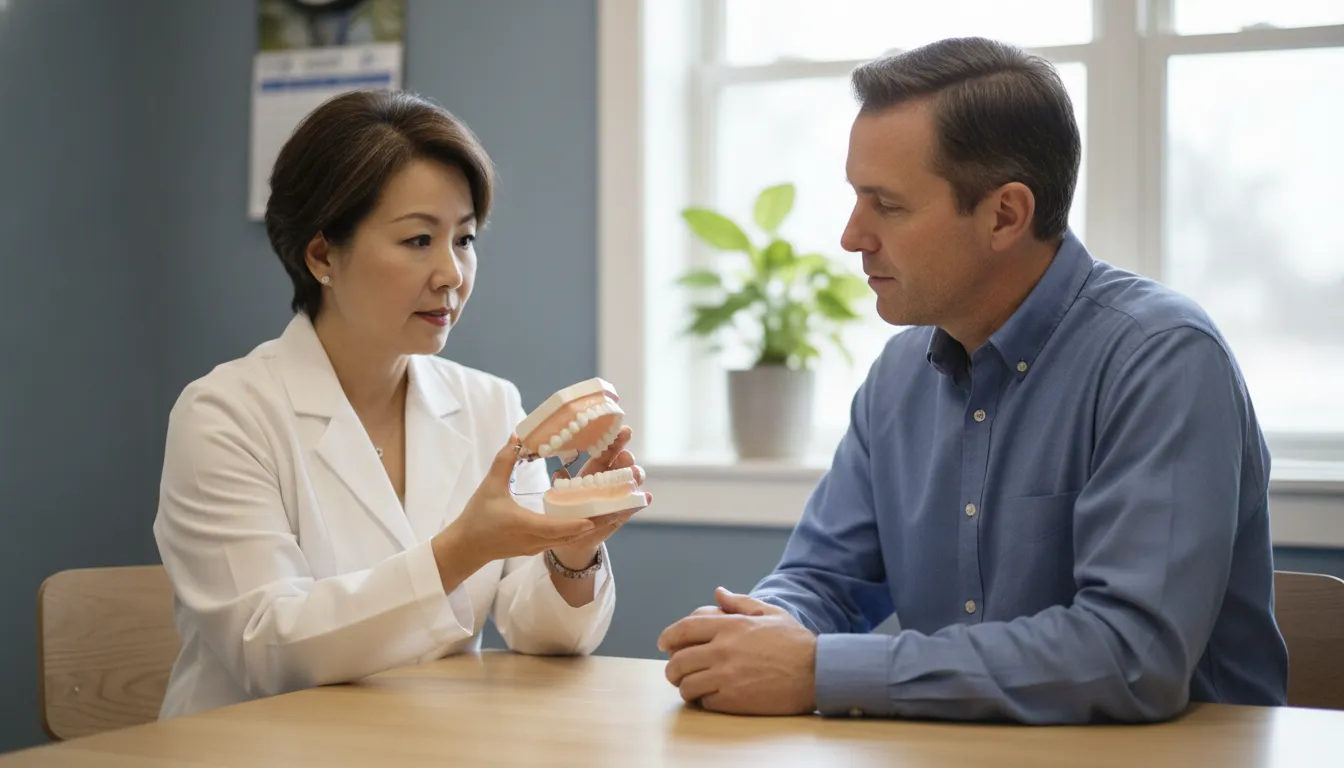
For many people, the most reassuring part of minimally invasive care is being included in the decision. You should understand what the dentist sees, what may happen if the concern is monitored, and why one treatment is recommended over another. Dental anxiety often becomes more manageable when there are no surprises.
Comfort measures can also make a meaningful difference. Local anesthesia, sedation options when appropriate, laser technology, gentle pacing, and clear communication can help patients receive care without feeling rushed or judged. This is especially important for people returning after years away from the dentist, children building their first dental experiences, and patients who arrive in pain.
Conservative treatment is not always the least expensive choice on the day of the appointment, but it can be a sensible long-term investment when it protects healthy tissue and reduces the risk of larger problems. Costs vary based on the condition being treated, materials, insurance benefits, and whether care can be staged safely. A clear financial discussion should be part of planning, particularly for families and uninsured patients.
How to Know Whether a Treatment Is Truly Conservative
A conservative recommendation is based on evidence, not simply on the newest tool. Ask your dentist how much healthy tooth structure can be preserved, what alternatives are reasonable, and what the risks are if you wait. You can also ask how the treatment addresses the underlying cause, whether that is decay risk, gum inflammation, bite pressure, or trauma.
The answer may sometimes be that a root canal, extraction, implant, or crown is the most conservative choice for your overall health because the tooth is too compromised for a smaller repair. Preserving a natural smile includes knowing when a tooth can be saved and when trying to save it would create ongoing pain or infection.
The best minimally invasive dentistry is not defined by a single device or procedure. It is defined by careful judgment, healthy tissues, and a plan that protects your comfort now while respecting the natural smile you want to keep for years to come.