Cosmetic Dentist in Cherry Hill NJ
A cosmetic dentist in Cherry Hill NJ should be able to tell you what is possible for your teeth, what is not, and what has to happen first. Looks are only one part of that conversation. Bite, gums, enamel, and how you use your teeth decide which option fits.
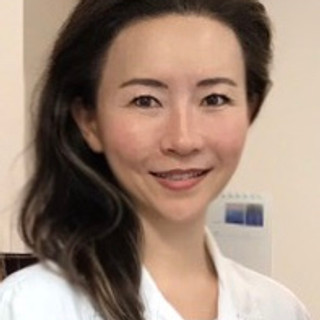
Kingston Family Cosmetic Dental Center is a family and cosmetic practice at 310 Kresson Road in Cherry Hill. Dr. Kessy Lee plans cosmetic care around the teeth you already have, not a one-size smile. This guide covers the consult, the written plan, and the expectations worth setting before any treatment starts.
What a cosmetic dentist in Cherry Hill NJ should cover first
The first visit is a planning visit, not a same-day makeover. You should leave knowing whether a change is realistic, which option the dentist would start with, and what still needs a closer look.
Bring the thing that bothers you in plain words. A dark front tooth, a chip, a small gap, worn edges, or teeth that have shifted are different problems. Each one can point to a different starting point. A photo of a smile you like can help, as long as you treat it as a direction, not a promise that your teeth can match it.
At Kingston, the cosmetic page describes a consult that looks at symmetry and balance, then at the problems underneath, such as damaged or misaligned teeth. The veneer page is more specific. Before veneers are recommended, the team looks at the teeth, the gums, the bite, and the change you want. That order matters. A pretty shell on an unhealthy tooth is the wrong sequence.
What to bring to the visit
A short list of what you notice when you smile, eat, or look in a mirror.
Photos of older dental work if you have them, including crowns, bonding, or whitening.
Your insurance card if you want the office to check benefits before treatment.
Questions about timing, such as a wedding, a photo, or a work event.
New patients can fill out forms before they arrive. The office asks for that so the visit is spent on your teeth, not on paperwork in the waiting room. The first-visit page also explains insurance billing and payment options.
Questions worth asking in the consultation
A useful consult answers more than "can you fix this." You want to hear how the dentist chooses. You also want to hear what could go wrong, and what you would be living with a year from now.
These questions keep the visit concrete:
What is causing the look I do not like: stain, shape, position, wear, or the gum line?
Is there a smaller step that could solve most of this before a larger one?
What has to be healthy first, such as gums, decay, or a bite that is wearing teeth down?
Will this change how I bite, speak, or clean my teeth?
What does maintenance look like, and what can stain, chip, or need replacement?
What is the visit count, and does any step leave the office for a lab?
What is the estimate for my case, and what does that estimate leave out?
Listen for answers tied to your mouth. A dentist who jumps to one product for every smile has not examined you yet. Dr. Lee's bio notes extra training in cosmetic dentistry, prosthodontics, orthodontics, implants, and oral sedation. Training is context. It is not a substitute for a plan written for your teeth.
Also ask who does the work. Kingston describes cosmetic dentistry, veneers, and related care as in-office treatment with Dr. Lee. Some restorations are made by an outside lab from records taken in the office. That is normal. It also means a veneer case is not finished on the day the teeth are prepared.
How a treatment plan gets built
A cosmetic plan is a sequence, not a menu. The dentist names the problem, rules out options that would harm a healthy tooth, and only then picks a material. Kingston's cosmetic page frames the work as enhancing what is already there, using conservative choices such as bonding, whitening, and gum recontouring when those fit.
Health comes before appearance. If gums are inflamed, a tooth is cracked, or the bite is grinding edges away, cosmetic work on top of that can fail early. The dentist should say so, even if it delays the result you came in for. That delay is part of a careful plan, not a sales tactic.
Shade and shape are planned together. Whitening does not change the color of crowns, veneers, fillings, or bonding already in your mouth. If you want a lighter smile and you already have front-tooth restorations, the order matters. Whitening natural teeth first, then matching new work to that shade, is a common sequence. Your dentist confirms whether it applies to you.
Records come next. Photos, an exam, and impressions or digital scans give the lab and the dentist the same picture.
For veneers, Kingston describes a first visit to shape a small amount of enamel, take impressions, and place temporaries, then a second visit a few weeks later to seat the final porcelain. That two-visit pattern is the office's usual veneer path, not a promise for every smile.
The written plan should name the teeth involved, the order of visits, what is temporary, and what you are responsible for at home. If a step is still undecided, the plan should say that too. "We will see" is fine at a consult. It should not still be the answer on the day treatment starts.
What a cosmetic dentist in Cherry Hill NJ should set as expectations
Cosmetic dentistry can change color, shape, small gaps, and worn edges. It cannot copy a photo of someone else's face, and it should not promise that a result will look the same on every patient. Teeth, gums, and bite are individual. A result that looks natural on you is the goal, not a stock smile.
Timing is part of the expectation. Ask for the sequence in weeks, not a slogan about a one-day smile. A typical path at this office looks like this:
A bonding repair of a small chip can often be done in one visit.
A veneer case is usually two visits plus lab time of a few weeks, with temporaries in between.
If alignment and shape both need work, one step has to settle before the next, so the plan is longer.
Longevity is maintenance, not a guarantee. The veneer page says porcelain veneers can last upward of 15 years when they are cared for. That figure depends on home care, grinding, and what you bite. Bonding can chip or stain sooner than porcelain, especially if you clench or bite hard foods. Neither number is a warranty.
Appearance has limits you should hear out loud:
Existing crowns and fillings will not whiten with your natural teeth.
A large chip, a dark tooth after an injury, or a bite that is collapsing may need a crown or other restorative care, not a cosmetic-only fix.
Shifting teeth are often an alignment question before they are a veneer question.
Gum display and lip shape are separate from tooth color. Treating one does not fix the other.
Photos in a smile gallery show past cases. They are not a prediction of your result. Use them to talk about shape and shade, then ask what would be different in your mouth.
How common cosmetic paths compare
Use this table to prepare for the consult, not to pick a treatment yourself. The right row depends on an exam. Fees other than the published Invisalign range are set per case, so the table does not invent prices.
Path. | Often considered when. | What the office describes. | Expectation to confirm. |
Whitening. | Surface stains on healthy natural teeth. | In-office and take-home options are offered. | It does not recolor crowns, veneers, fillings, or bonding. |
Bonding. | Small chips, worn edges, or minor gaps. | Tooth-colored material is often a conservative step. | It can stain or chip sooner than porcelain if you grind. |
Porcelain veneers. | Color, shape, small gaps, or uneven front teeth. | The usual path is two visits, temporaries, and outside lab work. | Enamel is reduced. Cost is a custom estimate, not a flat fee. |
Clear aligners. | Teeth have shifted and position is the main issue. | Invisalign is offered for teens and adults. | The published range is $3,000 to $8,000, not your quote. |
Gum recontouring. | The gum line makes teeth look short or uneven. | It is listed as its own cosmetic service. | Tooth color and gum shape are planned separately. |
The cosmetic dentistry page is the practice menu for these services. This article is about how to judge the plan, not a repeat of each procedure. If veneers are the likely path, the veneers page is the place for that detail, including the two-visit sequence and the note that cost is reviewed only after an exam.
Invisalign's published range of $3,000 to $8,000 is a national-style range on the practice site, not a fee for your case. Lost aligners, insurance, and complexity change it. Most other cosmetic fees at this office are individualized. Do not treat a homepage illustration of typical U.S. prices as a Kingston quote.
Comfort, cost, and the visit itself
Anxiety belongs in the consult. Dr. Lee describes a trauma-informed approach for patients who have had a hard time at the dentist. Sedation, when it is appropriate, is oral conscious sedation or nitrous oxide, not IV sedation.
Oral sedation is a pill taken before the visit or on arrival, and you need a ride home because the effect can last for hours. Nitrous is breathed through a nose mask and typically wears off before you leave. Neither is automatic. The dentist reviews your health, your anxiety, and the procedure first. Call ahead if you want that discussed before the day of treatment. Details are on the sedation dentistry page.
Money should be just as specific. The office accepts most dental insurance and will bill your carrier when you send plan details ahead of time for an eligibility check. That is not a promise that a cosmetic service is a covered benefit. Whitening and veneers are often limited by dental plans. Ask what your plan is expected to pay and what you would owe.
CareCredit and Cherry are financing options the office mentions. Applying takes a few minutes, and approval is the lender's decision, not the dental office's.
The in-house membership club is a separate preventive plan, not dental insurance. Each tier has a $49 activation fee. Twelve monthly payments are not equal to the annual price.
Child, age 12 and under: $299 a year or $30 a month. This tier lists an orthodontic consultation, not a cosmetic one.
Adult, age 13 and older, without active periodontal disease: $450 a year or $40 a month. This tier lists one cosmetic consultation.
Periodontal maintenance: $750 a year or $70 a month. This tier also lists one cosmetic consultation.
Ask the office which tier fits before you treat either consult as included in your case.
The appointment itself is a request, not a booked time. Submit the form and the office says it will call within 72 hours to pick a date. Office hours are Monday 9 a.m. to 7 p.m., Tuesday 8 a.m. to 5 p.m. Wednesday and Thursday 9 a.m. to 5 p.m., and Friday 9 a.m. to 1 p.m. There is one office, at 310 Kresson Road, Cherry Hill, NJ 08034.
If something hurts, is broken, or is swelling, call (856) 795-9007 so the team can triage. Same-day care is something the office works to offer. It is not guaranteed, and it is not a walk-in or after-hours service.
Call (856) 795-9007 to talk through a cosmetic consult, or use the appointment form if the need is not urgent.
Frequently asked questions
How do I know a cosmetic dentist is planning for my teeth, not a template?
Ask what is causing the look you dislike and what has to be healthy before any cosmetic step. A plan that names your teeth, your bite, and your gum line is about you. A plan that starts with a product name, before an exam, is not.
Can I get a new smile in one visit in Cherry Hill?
Sometimes a small bonding repair is a single visit. Veneers at Kingston are usually two visits plus a few weeks of lab time, and you wear temporaries in between. Larger cases take longer when health or alignment has to come first.
Will whitening match the dental work I already have?
No. Whitening changes natural tooth color. It does not change crowns, veneers, fillings, or bonding. If those are on front teeth, the dentist should plan the shade order before you whiten.
Does dental insurance pay for cosmetic treatment?
Kingston accepts most dental insurance and bills the plan when you provide details in advance. Many cosmetic services are limited or excluded. Get an estimate that separates what the plan may pay from what you would pay yourself. Financing through CareCredit or Cherry requires lender approval.
What if I am nervous about a cosmetic visit?
Say so when you book. The office offers oral conscious sedation and nitrous oxide for patients who are appropriate candidates. Oral sedation means arranging a ride. Nitrous typically wears off before you leave. It is a discussion, not something added to every appointment.