-copy.png)

When Tooth Extraction Protects Your Health

A tooth that throbs at night, breaks below the gumline, or keeps becoming infected can affect far more than one area of your mouth. Tooth extraction is never our first choice when a tooth can be predictably restored, but removing a severely compromised tooth can be the most conservative way to protect your comfort, your surrounding teeth, and your overall health.
For many patients, the word “extraction” brings immediate worry. You may be concerned about pain, appearance, time away from work, or whether there is another option. Those concerns deserve a calm, thorough conversation. A thoughtful treatment plan begins by understanding why the tooth is failing and whether preserving it would truly provide a healthy, lasting result.
When Tooth Extraction May Be the Healthiest Choice
Natural teeth are valuable, and whenever possible, we work to preserve their integrity with preventive care, fillings, crowns, periodontal treatment, or root canal therapy. Yet there are situations in which saving a tooth may require repeated treatment with an uncertain outcome. In those cases, extraction can stop a cycle of pain and infection and create a clearer path toward long-term stability.
A tooth may need to be removed when decay has destroyed too much of the tooth structure for a reliable restoration, when a fracture extends deep into the root, or when an infection cannot be resolved successfully. Advanced gum disease can also weaken the bone and supporting tissues around a tooth until it is no longer stable. Wisdom teeth may be removed when they are impacted, repeatedly inflamed, damaging neighboring teeth, or contributing to crowding concerns.
Sometimes the decision is less obvious. A tooth with a large old filling, a crack, and a history of retreatment may be technically treatable, but the prognosis may be guarded. In those moments, Dr. Kessy Lee can help you weigh the benefits, limitations, cost, and expected lifespan of each option. The goal is not simply to avoid an extraction at all costs. It is to make a choice that supports your health and protects the rest of your smile.
What Happens During a Tooth Extraction
Before treatment, your dentist will review your medical history, medications, symptoms, and imaging. This step matters because oral health and whole-body health are connected. Conditions such as diabetes, heart concerns, immune-system disorders, osteoporosis treatment, and blood-thinning medication can affect planning and healing. Please do not stop prescribed medication without guidance from the clinician who manages it.
The procedure itself begins with making the area fully numb. For patients who feel anxious, comfort options, including sedation dentistry when appropriate, can make care feel much more manageable. You should not feel sharp pain during the extraction, though you may notice pressure as the tooth is gently loosened from the surrounding bone and ligament.
Some teeth can be removed in one straightforward visit. Others, including impacted wisdom teeth or teeth broken near the gumline, may require a surgical approach. Advanced laser technology may be used in selected cases to support precision and soft-tissue management. The best approach depends on the location of the tooth, the condition of the bone and gums, the shape of the roots, and your individual health needs.
After the tooth is removed, a protective blood clot forms in the socket. This clot is an essential part of healing. Your care team will place gauze as needed and give you clear, personal instructions before you leave so you know what is normal and when to call.
Recovery: Protecting the Healing Site
Most people experience the greatest tenderness and swelling during the first few days, followed by steady improvement. Recovery is usually more comfortable when you plan ahead, rest, and follow the aftercare instructions closely.
For the first 24 hours, avoid vigorous rinsing, spitting, smoking, vaping, and drinking through a straw. These actions can dislodge the blood clot and raise the risk of dry socket, a painful complication that needs prompt dental attention. Choose soft, nourishing foods, stay hydrated, and chew away from the extraction site. Cold compresses can help reduce swelling during the first day.
Take medications only as directed. Some patients do well with over-the-counter pain relief, while others may need a different plan based on the complexity of the procedure and their medical history. Keep the area clean, but be gentle. Your dentist may recommend carefully rinsing with warm salt water after the first day or provide other instructions tailored to your treatment.
Call your dental office if pain becomes more intense after initially improving, bleeding does not slow with firm gauze pressure, swelling worsens after several days, you develop a fever, or you notice a foul taste or drainage. If you have trouble breathing or swallowing, seek emergency medical care immediately.
Replacing a Missing Tooth Is Often Part of the Plan
Not every extracted tooth needs to be replaced. For example, removing a problematic wisdom tooth generally does not leave a gap that affects your bite. But when a visible tooth or a tooth used for chewing is removed, replacement deserves careful consideration.
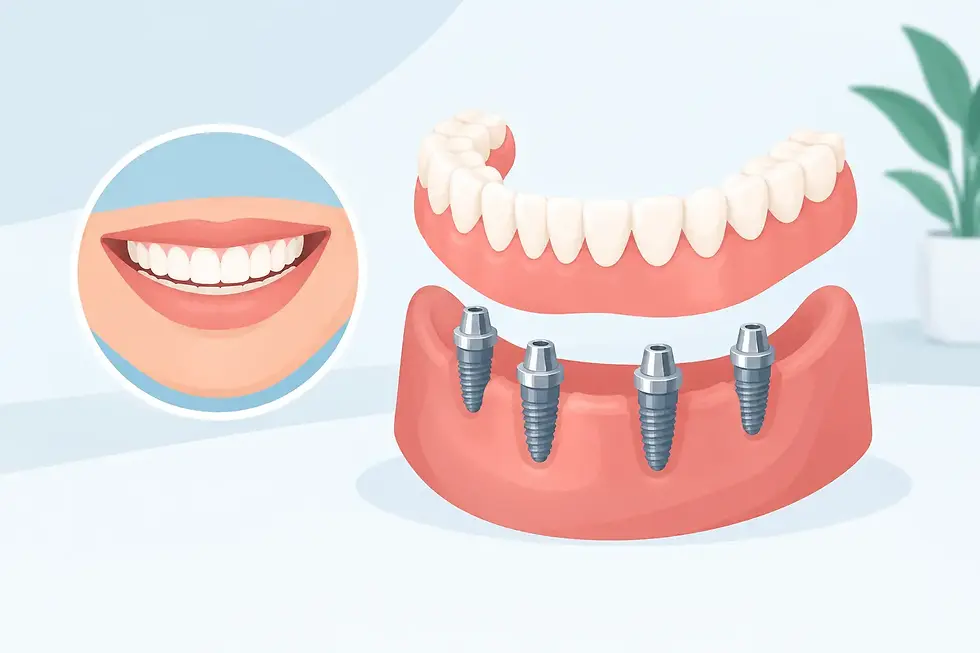
A missing tooth can allow nearby teeth to shift over time. It may change how you chew, affect speech, and place additional forces on other teeth. The jawbone in that area can also gradually lose volume after a tooth is removed. The right next step may be a dental implant, a bridge, or a removable option, depending on your oral health, bone support, goals, timeline, and budget.
In some situations, preserving bone at the time of extraction may be recommended if you are considering an implant later. This is not necessary for every patient, but it can be valuable when maintaining the natural shape and support of the jaw is a priority. Discussing replacement before an extraction helps ensure that the procedure supports your larger smile plan rather than becoming an isolated decision.
If You Are in Pain, Do Not Wait for It to Become an Emergency
Dental pain has a way of taking over meals, sleep, work, and family time. It can also tempt people to delay care because they fear being told they need a procedure. At Kingston Family Cosmetic Dentistry, the focus is on listening first, identifying the source of the problem, and explaining your choices without pressure.
An aching tooth does not always mean extraction. It may be caused by a cavity, a cracked restoration, gum inflammation, a bite problem, or an infection that can be treated while preserving the tooth. An examination and X-rays provide the information needed to make that distinction. The sooner you are evaluated, the more options may be available.
If extraction is recommended, asking questions is encouraged. You may want to know why a root canal or crown is not advised, what recovery will look like in your case, whether replacement is needed, and how insurance, financing, or a membership plan may help with costs. Clear answers can replace uncertainty with a practical path forward.
A healthy smile is not defined by keeping every tooth at any price. It is defined by having a comfortable, functional mouth supported by care that respects your body, your goals, and your peace of mind.