Invisalign Versus Braces Near Me - Which Fits?

A straighter smile can make it easier to feel confident in photos, at work, and around the people you love. But the best choice is not always the least visible one. When you search for invisalign versus braces near me, you are really asking which treatment can move your teeth safely, fit your daily routine, and support the long-term health of your bite.
At Kingston Family Cosmetic Dentistry, that conversation begins with more than how your teeth look from the front. Dr. Kessy Lee evaluates your tooth alignment, bite relationship, gum health, jaw comfort, and goals for your smile. Orthodontic treatment is an investment in function as well as appearance, and a thoughtful plan helps protect the natural integrity of your teeth while creating results that feel like you.
Invisalign Versus Braces Near Me: Start With Your Bite
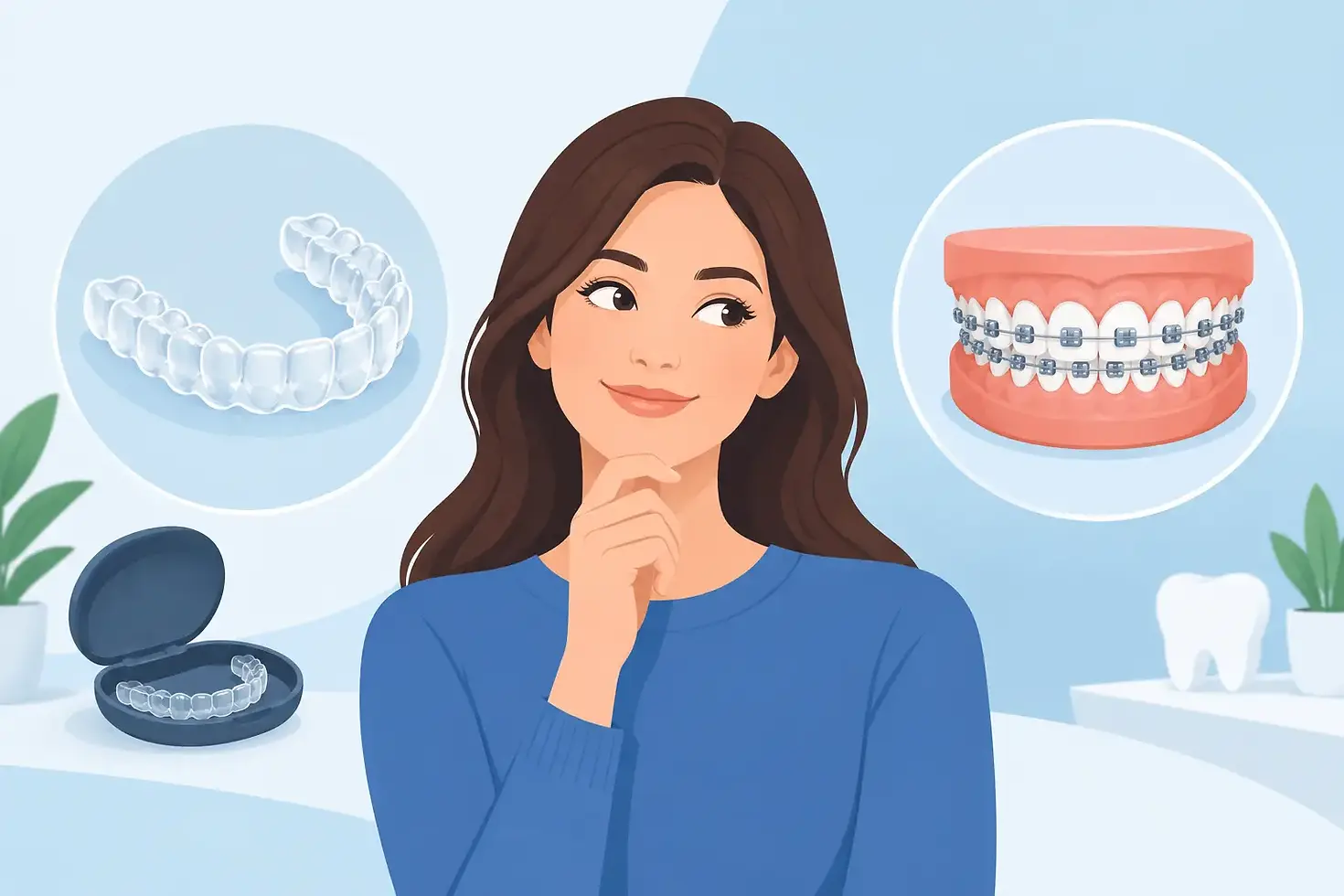
Invisalign and braces both use gentle, controlled force to guide teeth into better positions. The central difference is the way they deliver that force. Invisalign uses a series of clear, removable aligners that are changed on a prescribed schedule. Traditional braces use brackets attached to the teeth and a wire that is adjusted over time.
Neither option is automatically better for every patient. Clear aligners can be an excellent solution for many teens and adults with mild to moderate crowding, spacing, or certain bite concerns. Braces may provide more predictable control when teeth need complex movement, when a bite needs significant correction, or when consistent aligner wear would be difficult.
The condition of your gums and teeth matters, too. Active gum disease, untreated cavities, broken teeth, or persistent jaw pain should be addressed before or alongside orthodontic planning. Moving teeth through unhealthy supporting tissues can compromise the outcome. A health-centered examination makes room for a beautiful smile that is also stable and comfortable.
Why Patients Choose Invisalign
For many adults and responsible teens, the greatest benefit of Invisalign is discretion. The clear aligners sit closely over the teeth and are far less noticeable than metal brackets in everyday conversations, meetings, and pictures. They are also removable, which means you can take them out to eat, brush, and floss.
That removability can make daily hygiene easier. There are no brackets and wires to brush around, and you can continue enjoying foods that might be off limits with braces, as long as you remove the aligners first. For patients already managing busy school schedules, work commitments, family meals, or professional events, this flexibility can feel meaningful.
Comfort is another common reason patients ask about clear aligners. There are no wires that can rub against the cheeks or lips. Each new aligner can create a few days of pressure or tenderness, particularly when teeth are actively moving, but this usually feels manageable. Smooth, custom-fit plastic can be a welcome option for patients who are concerned about irritation.
Invisalign does require commitment. Aligners generally need to be worn about 20 to 22 hours per day. Leaving them out for long lunches, social events, or overnight can slow progress and affect results. They must also be removed for anything other than water, then cleaned before going back in. If you are likely to misplace them or forget to wear them, braces may be the more dependable choice.
When Braces May Be the Better Choice
Braces remain a highly effective orthodontic treatment, especially for more involved cases. Because brackets are bonded to the teeth, they work around the clock without relying on a patient to remember to put them in. This can be particularly helpful for younger patients, although some adults also prefer the certainty of a fixed appliance.
A dentist may recommend braces when there is significant crowding, substantial tooth rotation, a challenging bite, or a need for precise control over individual tooth movements. The appropriate recommendation depends on the details of your case, not a one-size-fits-all rule. In some situations, clear aligners can still work well with attachments or other planning tools. In others, braces offer the most efficient and reliable path.
The trade-offs are practical. Braces are more noticeable and require additional attention while brushing and flossing. Foods such as popcorn, sticky candy, hard nuts, and chewing ice can damage brackets or wires and should be avoided. Patients may also have brief soreness after adjustments. Yet many people appreciate that they do not have to track a removable appliance every day.
Comparing Treatment Time, Cost, and Comfort
Treatment time depends on the complexity of the movements needed and how consistently treatment instructions are followed. Some limited Invisalign cases may be completed in months, while comprehensive orthodontic treatment with aligners or braces commonly takes a year or longer. A treatment estimate should be based on your records and examination, not on an advertisement promising a universal timeline.
Cost also varies. The extent of correction, type of appliance, needed records, follow-up visits, and retainers all influence the total investment. Invisalign is not always more expensive than braces, and braces are not always the budget option. It is wise to ask what is included in the quoted fee, what happens if refinement aligners are needed, and whether retainers are part of the plan.
For Cherry Hill families, a clear financial conversation can reduce stress before treatment begins. Insurance coverage varies widely, especially for adult orthodontics. Financing options and an in-house Membership Club may help uninsured patients maintain preventive visits and receive ongoing care while planning larger treatment needs. The office can explain available options based on your individual situation.
Comfort is personal. With Invisalign, many patients like the smooth feel and the ability to remove aligners for an important meal or presentation. With braces, some patients find the initial adjustment period challenging but settle in quickly. Either approach can involve short periods of pressure as teeth move. That pressure is a sign that your treatment is active, but sharp pain, a broken appliance, or a bite that suddenly feels wrong deserves a call to your dental team.
Your Daily Habits Can Decide the Best Option
The right choice often becomes clearer when you picture an ordinary Tuesday. Do you feel confident wearing aligners nearly all day, every day? Can you remove them before coffee with cream, snacks, and meals, then brush before replacing them? Are you comfortable keeping the case with you so they do not end up in a napkin at a restaurant?
If the answer is yes, Invisalign may fit naturally into your routine. If you prefer an option that stays in place and keeps treatment moving without daily wear decisions, braces may bring greater peace of mind. There is no judgment in either answer. A successful treatment plan is one you can realistically follow.
For children and teens, parents should also consider sports, school routines, oral hygiene habits, and the child’s readiness for responsibility. A child who is still learning consistent brushing may benefit from a plan with more hands-on coaching. Patients who play contact sports can protect either braces or aligners with the right mouthguard guidance.
Do Not Skip the Retainer Conversation
Whether you choose Invisalign or braces, teeth can gradually shift after active treatment. Retainers are what protect the position you worked to achieve. They may be clear and removable, fixed behind certain teeth, or a combination of both, depending on your needs.
Ask early how long retainers should be worn, how they should be cleaned, and what to do if one is lost or damaged. Retainer wear is not an optional finishing detail. It is the long-term protection for your new smile and bite.
A Personal Plan Is More Valuable Than a Quick Comparison
Online comparisons can help you recognize the differences between Invisalign and braces, but they cannot examine the way your teeth meet, the health of your gums, or the habits that will shape your results. A careful consultation gives you room to ask about appearance, comfort, treatment length, cost, and concerns such as dental anxiety or TMJ discomfort.
The best orthodontic choice should leave you feeling informed rather than pressured. Bring your questions, be honest about your routine, and choose the approach that supports a healthy, confident smile you can care for long after treatment is complete.