-copy.png)

Emergency Dentist Cherry Hill: When to Get Help

A cracked tooth during dinner, a child’s knocked-out tooth at the playground, or a throbbing toothache that keeps you awake can make it hard to think about anything else. When you need an emergency dentist Cherry Hill patients can turn to, the immediate goal is simple: relieve pain, protect your natural tooth whenever possible, and address the cause before the problem becomes more serious.
Dental emergencies are frightening because they often arrive without warning. But a calm response, the right first-aid steps, and prompt professional care can make a meaningful difference in both your comfort and your long-term oral health.
What Counts as a Dental Emergency?
Not every dental concern needs same-day treatment, but waiting is not always the safer or less expensive choice. A small cavity, for example, may be manageable with a scheduled visit. Severe pain, swelling, bleeding that does not stop, facial trauma, or a loose permanent tooth deserves urgent attention.
A dental emergency usually involves significant discomfort, a risk of infection, or damage that could affect whether a tooth can be preserved. Common reasons people seek immediate care include a broken or cracked tooth, a lost filling or crown with pain, an abscess, a tooth that has been completely knocked out, or pain after a recent dental procedure.
There is an important distinction between an urgent dental problem and a medical emergency. Call 911 or go to the nearest emergency room if you have trouble breathing or swallowing, uncontrolled bleeding, swelling that is spreading into the face or neck, a serious jaw injury, or symptoms such as chest pain or confusion. An emergency room can help stabilize a dangerous infection or injury, although dental treatment is often still needed afterward to resolve the source of the problem.
Emergency Dentist Cherry Hill Care Starts With Listening
Pain is your body’s signal that something needs attention. It may come from an infection deep inside a tooth, a fracture below the gumline, inflamed gums, a failing restoration, grinding-related stress, or an issue involving the jaw joint. The symptom may feel sudden even when the underlying problem has been developing quietly for some time.
At Kingston Family Cosmetic Dentistry, the approach to urgent care is centered on understanding what is happening, not simply covering up the discomfort. Dr. Kessy Lee evaluates the affected tooth, surrounding gums, bite, and relevant health history to help determine the most conservative treatment that supports a healthy outcome. When appropriate, advanced laser technology can support precise, tissue-conscious care with less bleeding and a more comfortable recovery.
For an anxious patient, knowing what will happen next matters. You should expect a clear explanation of the findings, available treatment options, and what can be done now to relieve pain or protect the tooth. Sedation options may also help patients who are very nervous or have difficulty receiving needed care because of fear.
What to Do Before You Reach the Office
The right steps depend on the injury. Avoid placing aspirin directly against a tooth or gums. It can burn soft tissue and will not treat the source of pain. If you have swelling, use a cold compress on the outside of your cheek for short intervals. Over-the-counter pain medication may help when taken exactly as directed and when it is safe with your personal medical history.
If a Tooth Is Knocked Out
A knocked-out permanent tooth is time-sensitive. Handle it only by the crown, which is the chewing surface you normally see, rather than the root. If it is dirty, rinse it gently with milk or saline solution. Do not scrub the root or remove attached tissue.
If possible, carefully place the tooth back into its socket and hold it in position by gently biting on clean gauze. If that is not possible, keep it moist in milk or in a tooth-preservation product. Seek dental care right away. A baby tooth should not be pushed back into the socket because that could harm the developing permanent tooth underneath.
If You Have a Broken, Chipped, or Cracked Tooth
Rinse your mouth with warm water and save any pieces you can find. A cold compress can help limit swelling after trauma. Do not chew on the injured side, especially if the tooth is sensitive to temperature or pressure.
A chip may need smoothing, bonding, or another restorative solution. A larger fracture may need more protection. The treatment depends on how deeply the crack extends and whether the tooth’s nerve is involved. Acting early can sometimes prevent a crack from becoming a split tooth that cannot be saved.
If You Have Severe Tooth Pain or Swelling
Persistent, pulsing pain can be a sign of infection or inflammation inside a tooth. You may also notice sensitivity to hot or cold, pain when biting, a bad taste, a pimple-like bump on the gums, or facial swelling. These symptoms need prompt evaluation, even if the pain eases temporarily.
Antibiotics may be appropriate in certain situations, but they do not remove the source of an infected tooth. Depending on the diagnosis, treatment may involve draining an infection, root canal therapy, periodontal treatment, or extraction when a tooth cannot be restored. The best option depends on the tooth’s condition, the health of the surrounding bone and gums, and your overall health needs.
If a Crown, Filling, or Veneer Comes Loose
Keep the restoration in a safe container and avoid chewing on that side. A lost crown can leave a tooth vulnerable to sensitivity and fracture. Do not use household glue to put it back in place. Temporary dental cement from a pharmacy may offer short-term help in some cases, but it is not a substitute for an exam.
Sometimes a restoration can be recemented. Other times, decay, a crack, or changes in the supporting tooth mean a new restoration is the healthier choice. A careful examination prevents a seemingly simple repair from overlooking a deeper issue.
Why Prompt Treatment Protects More Than Your Smile
Waiting through dental pain can feel tempting when life is busy or you are concerned about cost. Yet delay can allow a small issue to become a more complex one. An untreated infection can spread. A cracked tooth can fracture further. Lost enamel and exposed tooth structure can become increasingly sensitive and vulnerable.
Prompt care is also about whole-body wellbeing. Oral infection and chronic inflammation deserve attention, particularly for people managing diabetes, heart-health concerns, immune conditions, or medications that affect healing. A functional, health-centered approach looks at how oral conditions may connect with the rest of your health while keeping the immediate priority clear: help you feel safe and comfortable again.
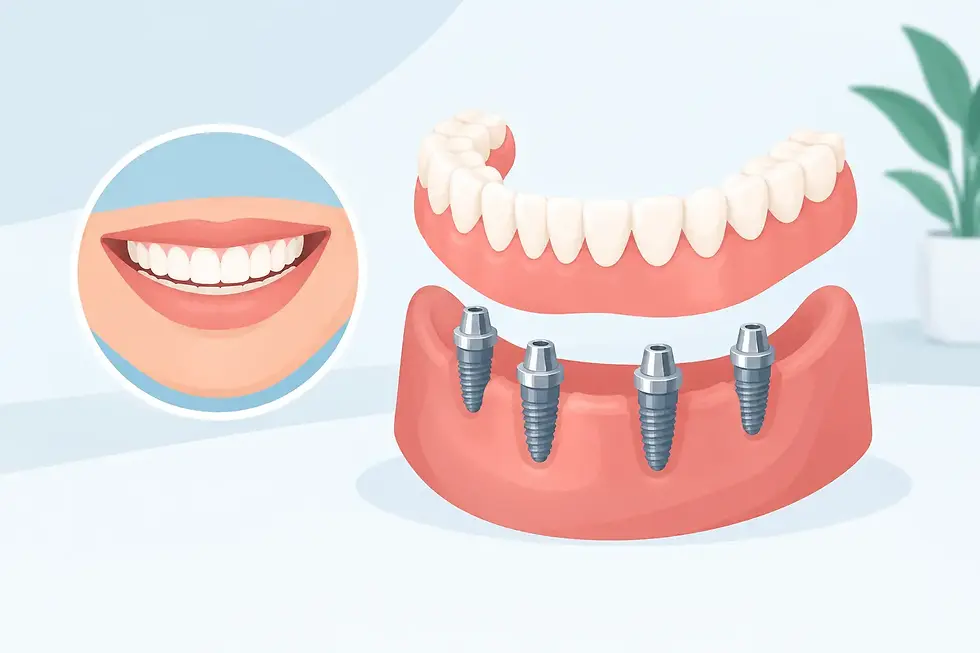
Preserving a natural tooth is generally the preferred goal when it can be done predictably. That may mean a conservative repair, a protective crown, or root canal treatment followed by restoration. In some cases, extraction is the better choice for health and comfort. If a tooth must be removed, options such as implants can restore function and help protect the alignment of your smile over time.
When the Pain Is Not Coming From a Tooth
Not all urgent mouth and facial pain comes from decay or infection. Jaw pain, headaches, sore facial muscles, tooth sensitivity, and worn or chipped teeth can be connected to clenching, grinding, or TMJ concerns. A bite that is under unusual stress can create pain that feels like a toothache.
The answer depends on the cause. A night guard may help protect teeth from grinding, while joint or muscle symptoms may call for a more complete TMJ evaluation. This is why an exam matters before assuming that every painful tooth needs the same treatment.
Preparing for an Emergency Dental Visit
Bring any pieces of a broken tooth or restoration, a current medication list, and your insurance information if you have it. Let the dental team know about allergies, pregnancy, medical conditions, recent surgeries, and blood-thinning medications. These details help guide safe treatment.
If cost is a concern, say so early. A compassionate practice should discuss the immediate priority, explain recommendations clearly, and help you understand payment, insurance, financing, or membership options that may be available. Relief should not depend on feeling embarrassed to ask practical questions.
You do not have to decide on your own whether a problem is serious enough. If you are in pain, have swelling, have suffered dental trauma, or are worried about a damaged tooth, reach out for guidance. Taking that first step can turn a frightening moment into a clear plan for comfort, healing, and a smile worth protecting.