-copy.png)

Dental Implants for a Healthier, Stronger Smile

A missing tooth can change more than the way a smile looks. You may begin chewing on one side, avoid favorite foods, feel self-conscious in photos, or notice that nearby teeth are shifting. Dental implants are designed to replace a missing tooth at its root, helping restore everyday comfort, confidence, and function while protecting the health of the surrounding smile.
For patients in Cherry Hill and nearby South Jersey communities, implant treatment begins with a question that matters: What will create the healthiest long-term result for you? The answer depends on your gums, bone support, bite, medical history, and goals. A thoughtful plan should never treat a gap in the smile as an isolated problem.
What Are Dental Implants?
A dental implant is a small biocompatible post placed in the jawbone where a tooth root is missing. As the area heals, the bone can integrate with the implant and create a stable foundation. A custom restoration, often a crown for one missing tooth, is then attached to complete the smile.
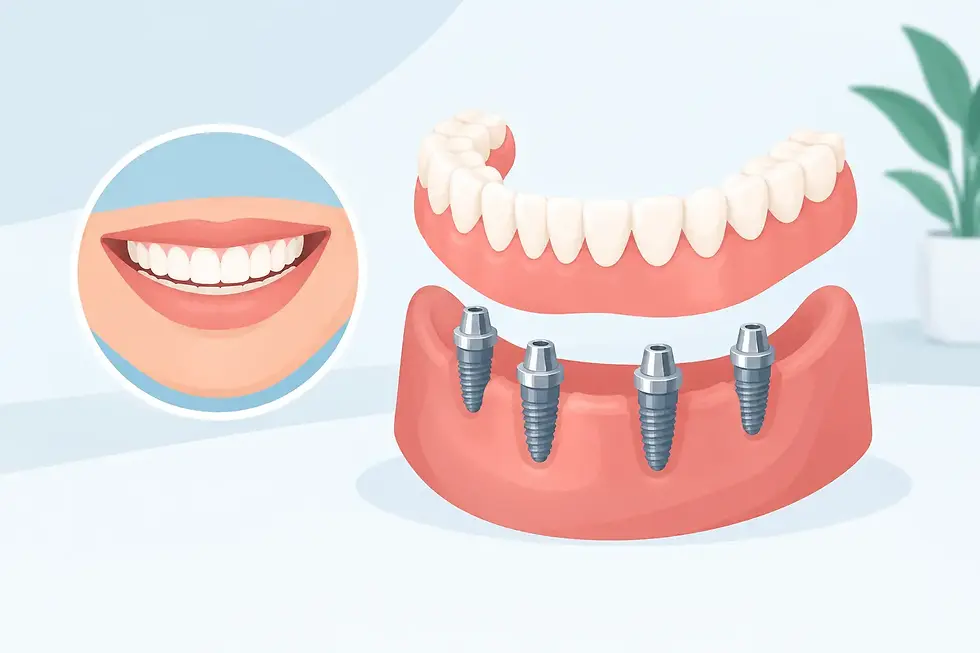
Unlike a removable appliance, an implant-supported tooth stays in place. It can look and feel remarkably similar to a natural tooth, allowing you to speak and chew without the movement some patients experience with dentures. When several teeth are missing, implants may also support a bridge or a full-arch restoration.
The benefit is not merely cosmetic. Tooth roots stimulate the jawbone during chewing. After tooth loss, the bone in that area can gradually shrink, which may affect facial support and make future tooth replacement more complex. An implant can help preserve bone in the treated area, provided the surrounding gums and bone are healthy enough to support it.
Is an Implant the Right Choice for Me?
Many adults who have lost a tooth are potential candidates for dental implants, including people who have worn a bridge or partial denture for years. Still, implants are not automatically the best choice for every situation. A healthy foundation is essential.
Your dentist will evaluate the condition of your gums, jawbone, remaining teeth, and bite. Periodontal disease, untreated decay, clenching, smoking, uncontrolled diabetes, and certain medications can affect healing or long-term stability. These factors do not always rule out treatment, but they may change the timing or the plan.
For example, gum infection should be addressed before implant placement. If bone has been lost after an extraction, a grafting procedure may be recommended to rebuild support. If a tooth can be predictably saved with conservative treatment, preserving your natural tooth may be the better choice. Functional dentistry looks at the cause of tooth loss or damage so the same pattern is less likely to threaten another tooth later.
The Dental Implant Process, Step by Step
Treatment is carefully planned, but it does not need to feel overwhelming. Knowing what happens at each stage can make the process more comfortable and predictable.
A complete health and smile evaluation
Your visit begins with a conversation about what you are experiencing. Perhaps you are in pain from a broken tooth, frustrated by a loose denture, or concerned about a space that has been there for years. Digital imaging and a detailed examination help assess bone levels, gum health, bite forces, and the location of nerves and sinus spaces.
This planning stage is where precision matters most. The goal is to place an implant in a position that supports a natural-looking restoration and works in harmony with your bite, not simply to fill a visible space.
Preparing the foundation
Some patients can move directly to implant placement. Others need care first, such as periodontal treatment, an extraction, or bone grafting. If a damaged tooth must be removed, preserving as much healthy bone and tissue as possible can support future options.
Healing times vary. In selected cases, an implant may be placed at the time of extraction. In other cases, allowing the site to heal first creates a safer, more predictable foundation. Your treatment timeline should be based on your biology, not rushed to fit a one-size-fits-all schedule.
Implant placement and healing
During placement, the implant post is positioned precisely in the jawbone. Local anesthetic is used, and sedation options may be appropriate for patients who feel anxious or are having more extensive treatment. Many patients are surprised by how manageable recovery is, especially when they receive clear instructions and prompt support.
Over the following weeks or months, the bone heals around the implant. A temporary tooth may be considered for visible areas, depending on the site and the amount of bite pressure involved. It is important to follow dietary and hygiene instructions during this period because the implant needs a stable, healthy environment to integrate.
Your custom tooth restoration
Once healing is complete, a custom crown, bridge, or denture is created for the implant. The restoration is designed to match the color, contours, and proportions of your smile while allowing you to clean around it effectively.
A successful result should feel balanced, not bulky or difficult to maintain. Your dentist will check the bite carefully, since excessive pressure from grinding or an uneven bite can place unnecessary strain on both implants and natural teeth.
What Does Recovery Feel Like?
Most patients have mild tenderness, swelling, or bruising for a few days after implant placement. Discomfort is often manageable with the post-treatment plan provided by the dentist. Soft foods, gentle oral hygiene, and avoiding tobacco are especially important early in healing.
Call the office promptly if pain becomes worse rather than better, swelling increases after several days, bleeding does not stop, or you develop a fever. Early communication allows concerns to be addressed before they become larger problems.
Recovery is also about patience. The visible crown may be the final step, but healthy bone integration is what gives an implant its long-term strength. Taking time to heal can be one of the most valuable parts of the process.
How Long Do Implants Last?
With good planning and consistent care, dental implants can be a long-lasting tooth replacement option. No treatment comes with a lifetime guarantee, however. An implant is not immune to plaque buildup, gum inflammation, or excessive bite force.
Daily brushing, cleaning between teeth or beneath an implant-supported restoration, and regular professional visits are essential. Patients with a history of gum disease may need periodontal maintenance more often. A nightguard may be recommended for grinding or clenching, and managing conditions such as diabetes can support oral healing and gum health.
Think of an implant as a highly capable replacement tooth that deserves the same attention as the rest of your smile. The crown itself may eventually need repair or replacement due to normal wear, even when the implant beneath it remains healthy.
Considering Cost Without Losing Sight of Health
The cost of implant treatment varies because every smile has different needs. A straightforward single-tooth implant is different from treatment that includes extraction, grafting, periodontal care, sedation, or a multi-tooth restoration. A clear consultation should explain what is included and why each step is being recommended.
Insurance may contribute to portions of treatment, though coverage varies widely. Financing and membership options can also help make care more manageable for uninsured patients. The least expensive short-term solution is not always the best value when it leads to repeated repairs, discomfort, or loss of additional bone over time.
At Kingston Family Cosmetic Dentistry, the conversation centers on a plan that protects your health, respects your comfort, and fits your real-life needs. If a missing tooth has made you hesitate to eat, laugh, or speak freely, a compassionate evaluation can be the first step toward feeling like yourself again.